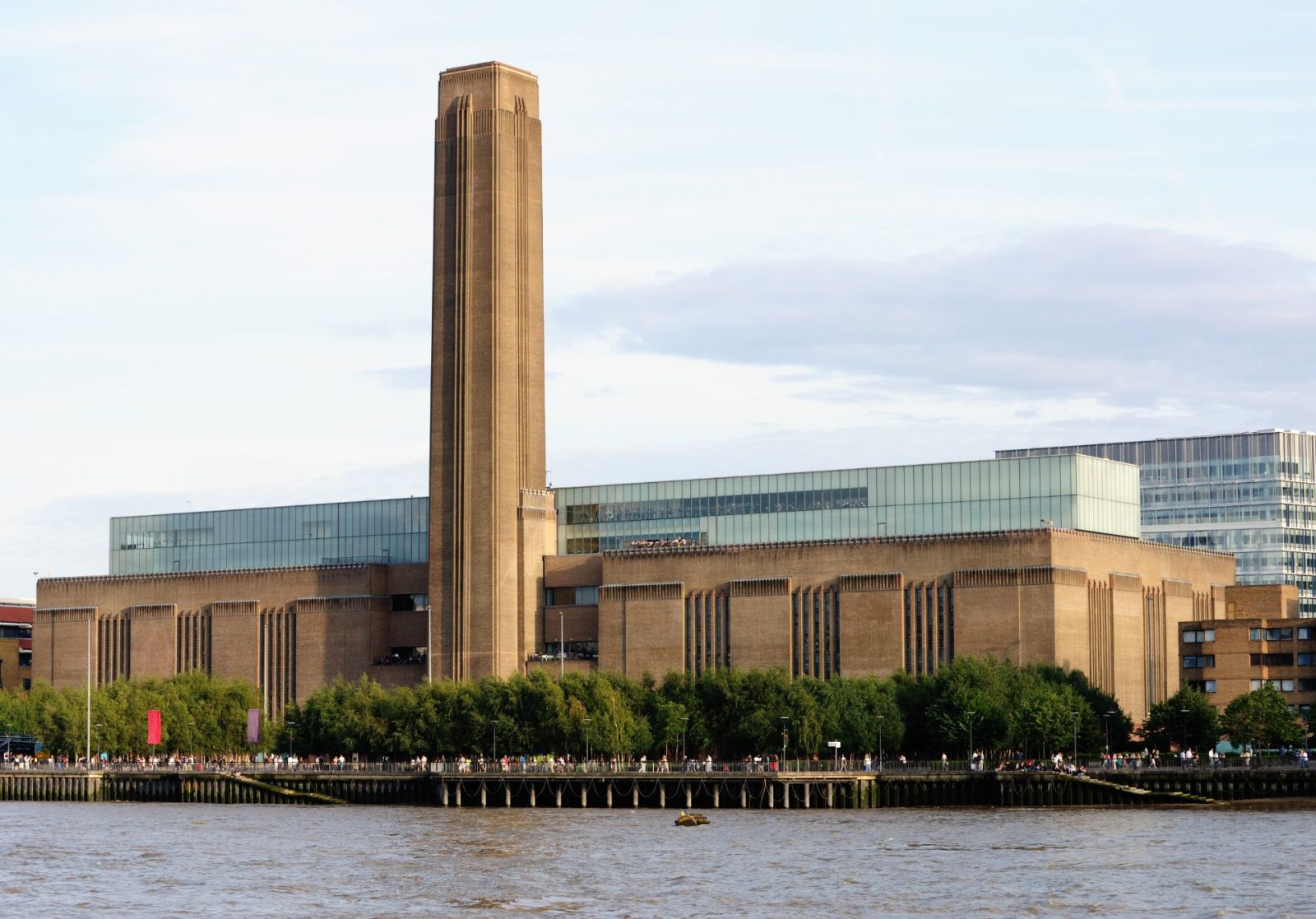
If you’re planning a trip to London and wondering whether Tate Modern deserves a spot on your itinerary, let me cut straight to the chase: absolutely yes. This isn’t your stuffy, whisper-only museum experience. Housed in a transformed power station on the South Bank of the Thames, Tate Modern has become one of the world’s most visited contemporary art galleries, and it’s completely free to enter.
What Makes Tate Modern So Special?
Tate Modern opened in 2000, breathing new life into the former Bankside Power Station designed by Sir Giles Gilbert Scott. The conversion, led by architects Herzog & de Meuron, was nothing short of genius. They kept the building’s industrial bones, the towering chimney, the vast Turbine Hall—and created something that feels both raw and refined. In 2016, they added the Switch House extension, a twisted pyramid structure that added 60% more gallery space.
The result? A gallery that attracts over 5 million visitors annually, making it the UK’s most popular tourist attraction and one of the top three contemporary art museums globally. But numbers don’t tell the whole story.
The Turbine Hall: Where Art Meets Architecture
Walking into the Turbine Hall is an experience in itself. This cavernous space, five stories high and the length of a football pitch, once housed electricity generators. Now it hosts massive, often interactive installations that change throughout the year. Past exhibitions have included Olafur Eliasson’s artificial sun, Ai Weiwei’s porcelain sunflower seeds, and Carsten Höller’s slides that visitors could actually ride.
Here’s the beauty of it: you don’t need to be an art expert to enjoy these installations. They’re designed to provoke, delight, and engage anyone who walks through the doors.
What You’ll Find Inside
The permanent collection spans modern art from 1900 to today, featuring heavyweights like Picasso, Warhol, Rothko, and Hockney alongside emerging contemporary artists. The galleries are organized thematically rather than chronologically, which creates unexpected and often illuminating connections between different periods and movements.
Key highlights include:
- Works by major modern masters including Monet, Matisse, and Dalí
- Pop Art icons from the 1960s and 70s
- Cutting-edge contemporary installations and video art
- Rotating special exhibitions (these require paid tickets but are usually exceptional)
- The viewing level on floor 10 with stunning panoramic views of London—don’t miss this
Practical Tips for Your Visit
Let’s talk logistics, because timing can make or break your museum experience. Tate Modern is open daily from 10am to 6pm, with extended hours until 10pm on Fridays and Saturdays. If you want to avoid the crowds, your best bet is weekday mornings or Friday evenings.
Getting there is straightforward:
- Tube: Southwark (Jubilee line) is the closest station, just a 7-minute walk away
- Alternative stations: Blackfriars, St Paul’s, or London Bridge are all within 10-15 minutes on foot
- River: The Tate Boat runs between Tate Britain and Tate Modern, offering a scenic journey along the Thames
- Walking: It’s a pleasant stroll across the Millennium Bridge from St Paul’s Cathedral
Here’s an insider tip: download the Tate app before you visit. It offers free multimedia guides that provide context and stories behind the artworks, transforming your visit from casual browsing to genuine understanding.
Making the Most of Your Time
You could easily spend an entire day at Tate Modern, but if you’re working with limited time, here’s a realistic approach. Plan for 2-3 hours to see the highlights without feeling rushed. Start with the Turbine Hall installation, take the lift to level 10 for those views, then work your way down through the galleries that interest you most.
The museum has several cafés and a restaurant if you need refueling. The top-floor restaurant offers spectacular views, though it’s pricier than the casual café options on lower floors.
Beyond the Galleries
One of Tate Modern’s greatest advantages is its location. You’re in the heart of Bankside, one of London’s most vibrant cultural quarters. Shakespeare’s Globe Theatre is a two-minute walk away. Borough Market, a food lover’s paradise, is just across the river. The South Bank itself offers a continuous riverside walk packed with street performers, book stalls, and entertainment options.
This means you can easily combine your Tate Modern visit with lunch at Borough Market, a matinee at the Globe, or drinks with a view at one of the nearby riverside bars. It’s the kind of area where you stumble from one experience to another, which is exactly what makes London special.
Final Thoughts
Tate Modern isn’t just a museum, it’s a testament to London’s ability to reinvent itself while honoring its industrial past. Whether you’re a dedicated art enthusiast or someone who “doesn’t really get modern art,” this space has something to offer. The free entry removes any barrier to exploration, and the diverse collection ensures that even if one gallery doesn’t resonate, the next might blow your mind.
For anyone visiting London, Tate Modern represents the city’s contemporary cultural heartbeat. It’s where Londoners and tourists alike come to be challenged, inspired, and occasionally baffled, and that’s exactly the point. Add it to your itinerary, give yourself time to wander, and don’t be afraid to sit with an artwork that intrigues you. Sometimes the best travel experiences are the ones that make you think differently about the world around you.