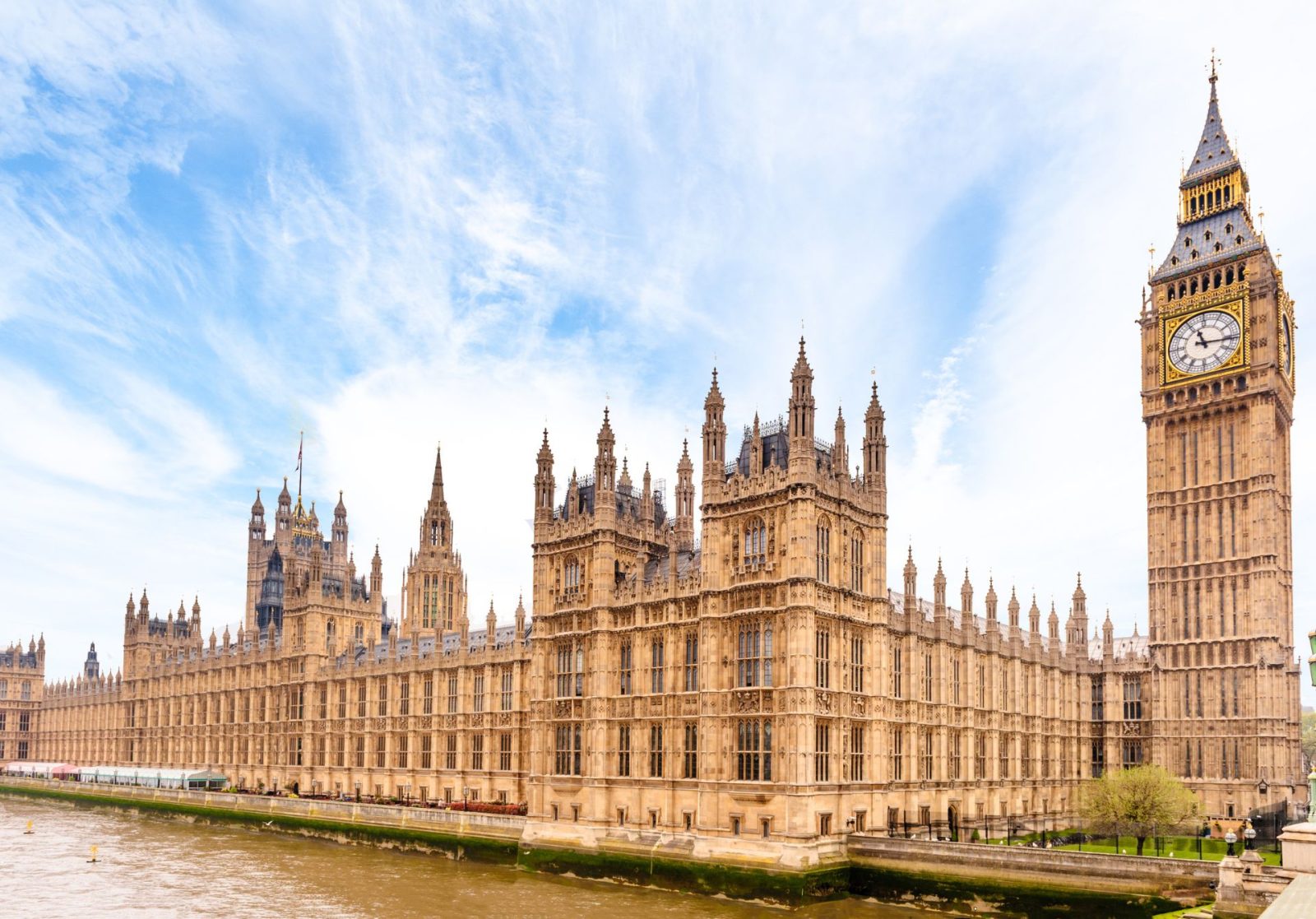
Let’s be honest, you can’t visit London without catching a glimpse of Big Ben. That famous clock tower rising above the Thames has become so synonymous with the city that it’s practically impossible to imagine the London skyline without it. But here’s the thing: there’s so much more to this Gothic masterpiece than just a pretty face for your Instagram feed.
Whether you’re planning your first trip to London or you’re a seasoned visitor looking to dig deeper, understanding the fascinating history and hidden details of the Houses of Parliament will transform your experience from a quick photo stop into something genuinely memorable.
What’s in a Name? The Big Ben Mix-Up Everyone Makes
First things first, let’s clear up the most common misconception. Big Ben isn’t actually the tower; it’s the massive 13-ton bell inside it. The tower itself was originally called the Clock Tower, then renamed Elizabeth Tower in 2012 to celebrate Queen Elizabeth II’s Diamond Jubilee. But honestly? Everyone still calls the whole thing Big Ben, and Londoners have pretty much accepted defeat on this one.
The origin of the “Big Ben” nickname is delightfully unclear. Some say it was named after Sir Benjamin Hall, the portly engineer who oversaw the bell’s installation in 1859. Others reckon it was nicknamed after heavyweight boxing champion Benjamin Caunt. Either way, the name stuck, and now it’s one of the most recognized landmarks on the planet.
The Houses of Parliament: Where Democracy Gets Down to Business
The Palace of Westminster, the official name for the Houses of Parliament, is where the UK government’s legislative work happens. This isn’t just a pretty building; it’s a working palace that houses the House of Commons and the House of Lords, with over 1,100 rooms, 100 staircases, and roughly 3 miles of corridors.
The current building is actually a relative newcomer. After a devastating fire in 1834 destroyed most of the medieval palace, architect Charles Barry and designer Augustus Pugin created the Gothic Revival masterpiece we see today. Construction took over 30 years, and the level of detail is absolutely staggering, there are intricate stone carvings, stunning stained glass windows, and more decorative flourishes than you could catalog in a week.
Planning Your Visit: What You Need to Know
Here’s where things get practical. If you’re planning to visit, you’ve got several options depending on what you want to see and how much time you have:
Tours and Access
- Guided Tours: Available year-round on Saturdays and during parliamentary recesses (typically summer and around Easter and Christmas). These tours last about 90 minutes and take you through both chambers, Westminster Hall, and other historic spaces.
- Audio Tours: Self-paced tours let you explore at your own speed, perfect if you want to linger in particular areas.
- Watch Democracy in Action: UK residents can contact their MP for passes to watch debates. International visitors can queue on the day for public gallery access, though spaces are limited.
- Elizabeth Tower Tours: These specialized tours take you up 334 steps (yes, really) to see Big Ben up close. They’re incredibly popular and book out months in advance, so plan ahead.
Practical Tips for Your Visit
- Book tickets well in advance, especially during peak tourist season (June-August)
- Arrive at least 15 minutes early to allow time for mandatory security screening
- Bring photo ID—you won’t get in without it
- Wear comfortable shoes, particularly if you’re doing the tower tour
- Photography isn’t allowed during debates but is permitted on general tours
The Best Views and Photo Opportunities
You don’t need to go inside to appreciate the Parliament’s magnificence. Some of the best views are actually from across the Thames. Westminster Bridge offers classic straight-on shots, while the South Bank provides stunning riverside perspectives. For something different, head to the Jubilee Gardens at sunset, the golden light hitting the Gothic spires is absolutely magical.
Pro tip: The view from the London Eye gives you an incredible bird’s-eye perspective of the entire complex and how it sits within the city’s layout.
Hidden Gems and Fascinating Facts
Westminster Hall, the oldest part of the complex dating back to 1097, has witnessed some of history’s most dramatic moments. Charles I was tried here in 1649, and Winston Churchill and Queen Elizabeth II both lay in state within its ancient walls. The hammer-beam roof, installed in the 1390s, is considered one of the finest examples of medieval timber architecture in Europe.
The building contains two miles of corridors adorned with over 1,000 statues, paintings, and stained glass windows. If you’re into architecture, you could spend hours just examining the intricate stonework and Gothic details.
Making the Most of Your Visit
Here’s my advice as someone who’s helped countless visitors experience this landmark: don’t rush it. Yes, you can snap a photo from Westminster Bridge in five minutes, but that’s selling yourself short. The Houses of Parliament represent over 1,000 years of British history, political evolution, and architectural achievement.
If you can, combine your visit with a walk along the Thames Path, taking in Westminster Abbey (just next door), the Churchill War Rooms, and maybe finishing up with afternoon tea at one of the nearby hotels. This entire area is essentially an open-air museum of British history and power.
The Bottom Line
The Houses of Parliament and Big Ben aren’t just landmarks to tick off your London bucket list—they’re living, breathing pieces of history that continue to shape the UK’s future every single day. From the medieval grandeur of Westminster Hall to the Victorian Gothic splendor of the chambers, from the famous chimes of Big Ben to the heated debates echoing through the corridors, this is a place where past and present collide in the most spectacular way.
Whether you take a comprehensive tour, catch a glimpse of parliamentary proceedings, or simply stand on Westminster Bridge soaking in the view, you’re experiencing something that billions of people around the world instantly recognize as quintessentially London. And unlike many tourist attractions that lose their magic once you get close, the Palace of Westminster somehow becomes even more impressive the more you learn about it.