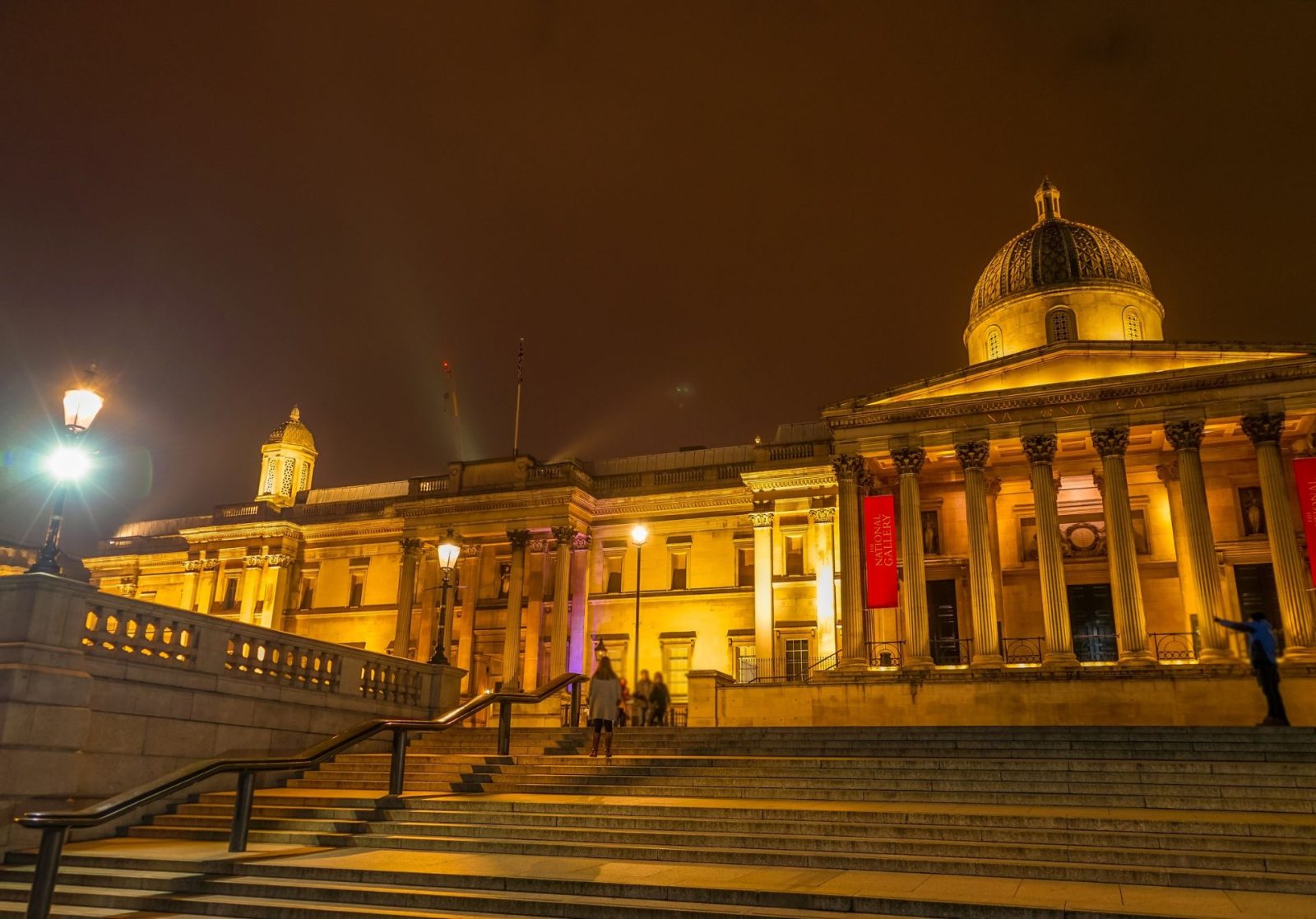
Picture this: you’re standing in Trafalgar Square, watching the fountains dance while pigeons strut around like they own the place. Behind you rises an impressive neoclassical building with a distinctive dome, the National Gallery. And here’s the best part: walking through those grand doors won’t cost you a penny. That’s right, one of the world’s greatest art collections is completely free to explore.
If you’re planning a trip to London or helping clients discover the city’s cultural gems, the National Gallery deserves a prime spot on any itinerary. With over 2,300 paintings spanning seven centuries of European art, this isn’t just a museum—it’s a time machine that takes you from medieval altarpieces to impressionist masterpieces, all under one magnificent roof.
What Makes the National Gallery So Special?
Founded in 1824 with just 38 paintings, the National Gallery has grown into one of the most visited art museums globally, attracting around 6 million visitors annually. Unlike many European galleries that began as royal collections, this museum was built for the public from day one, a gallery truly belonging to the nation.
The collection reads like a greatest hits album of Western European art. We’re talking about works by Leonardo da Vinci, Michelangelo, Rembrandt, Van Gogh, Monet, and countless other masters whose names you’d recognize even if art history wasn’t your strong suit. The gallery’s strength lies not just in individual masterpieces but in the depth and quality across different periods and schools of painting.
Must-See Masterpieces (Because You Can’t See Everything)
Let’s be honest—with over 2,300 paintings, you could spend weeks here and still not see everything. For tourists with limited time, here are the absolute don’t-miss highlights:
- Van Gogh’s “Sunflowers” – One of the most recognizable paintings in the world, these vibrant yellow blooms practically glow off the canvas
- Leonardo da Vinci’s “The Virgin of the Rocks” – A mysterious, atmospheric masterpiece that showcases Leonardo’s genius for light and composition
- Jan van Eyck’s “Arnolfini Portrait” – This 1434 painting is so detailed you can see reflections in the mirror and individual dog hairs
- Turner’s “The Fighting Temeraire” – Britain’s favorite painting according to a BBC poll, depicting a ghostly warship being towed to its final berth
- Botticelli’s “Venus and Mars” – A dreamy Renaissance scene that captures the goddess of love and the god of war in an intimate moment
Insider Tips for Making the Most of Your Visit
As someone helping travelers plan their London adventure, here’s the practical intelligence that separates a good visit from a great one. First, timing is everything. The gallery opens at 10 AM daily (12 PM on Sundays), and arriving right when the doors open means you’ll have the rooms practically to yourself. Weekday mornings are significantly quieter than weekends, a crucial tip for clients who want to actually see the paintings without craning over crowds.
The gallery offers free guided tours daily, and these are genuinely excellent. Led by knowledgeable guides who are passionate about art, these hour-long tours provide context and stories that bring the paintings to life. For those who prefer to explore independently, download the free National Gallery app before visiting—it includes audio guides and detailed information about hundreds of works.
Location and Accessibility: Perfectly Positioned
The National Gallery couldn’t be more centrally located. Perched on the north side of Trafalgar Square, it’s within walking distance of Leicester Square, Covent Garden, and the West End theatres. The nearest Underground stations are Charing Cross (Northern and Bakerloo lines) and Leicester Square (Northern and Piccadilly lines), both just a few minutes’ walk away.
Accessibility is taken seriously here. The gallery provides wheelchairs free of charge, all main exhibition areas are accessible via lift, and there are accessible toilets throughout. Audio described tours and British Sign Language tours are available for visitors with visual or hearing impairments.
Beyond the Main Collection
While the permanent collection is free, the National Gallery also hosts world-class temporary exhibitions throughout the year. These ticketed exhibitions often feature loans from other major museums or deep dives into specific artists or movements. Recent exhibitions have explored everything from Artemisia Gentileschi’s powerful baroque paintings to the relationship between Spanish masters like Velázquez and Goya.
Don’t overlook the gallery’s dining options either. The National Café in the East Wing serves everything from full meals to afternoon tea, while the Espresso Bar offers quick bites. For something special, the National Dining Rooms provide a more upscale experience with views over Trafalgar Square.
Practical Considerations for Concierge Services
When advising clients about the National Gallery, remember that it’s easily combinable with other attractions. After viewing the collection, visitors can stroll through nearby St. James’s Park, explore the Churchill War Rooms, or catch a matinee in the West End. The gallery also makes an excellent rainy day option, perfect British weather backup plan.
For families, the gallery offers free family trails and activity backpacks that make art engaging for children. The Sunday morning “Magic Carpet” storytelling sessions (aimed at children under 5) are particularly popular, though booking is recommended.
The Bottom Line
The National Gallery represents London at its finest—world-class culture that’s accessible to everyone, regardless of budget. Whether your clients are serious art aficionados or casual tourists who simply want to see some famous paintings, this iconic institution delivers. The combination of free admission, an unparalleled collection, central location, and excellent facilities makes it an essential stop on any London itinerary. In a city full of attractions competing for attention and tourist pounds, the National Gallery stands out as both a cultural treasure and a genuine bargain. Tell your clients to allow at least two to three hours—though honestly, they might find themselves staying much longer, lost in the beauty of centuries past.