If you’re planning a trip to London and wondering which attractions are worth your precious vacation time, let me stop you right there. The Natural History Museum isn’t just worth visiting, it’s an absolute must-see that will leave you genuinely awestruck, regardless of your age. And here’s the best part: it’s completely free to enter. Yes, you read that right. One of the world’s most spectacular museums won’t cost you a penny for general admission.
Located in South Kensington, this Victorian masterpiece houses over 80 million specimens spanning billions of years of natural history. But don’t let those numbers intimidate you. This isn’t some dusty repository where artifacts gather cobwebs. It’s a living, breathing celebration of our planet that manages to be both educational and genuinely entertaining.
The Building Itself Is Worth the Visit
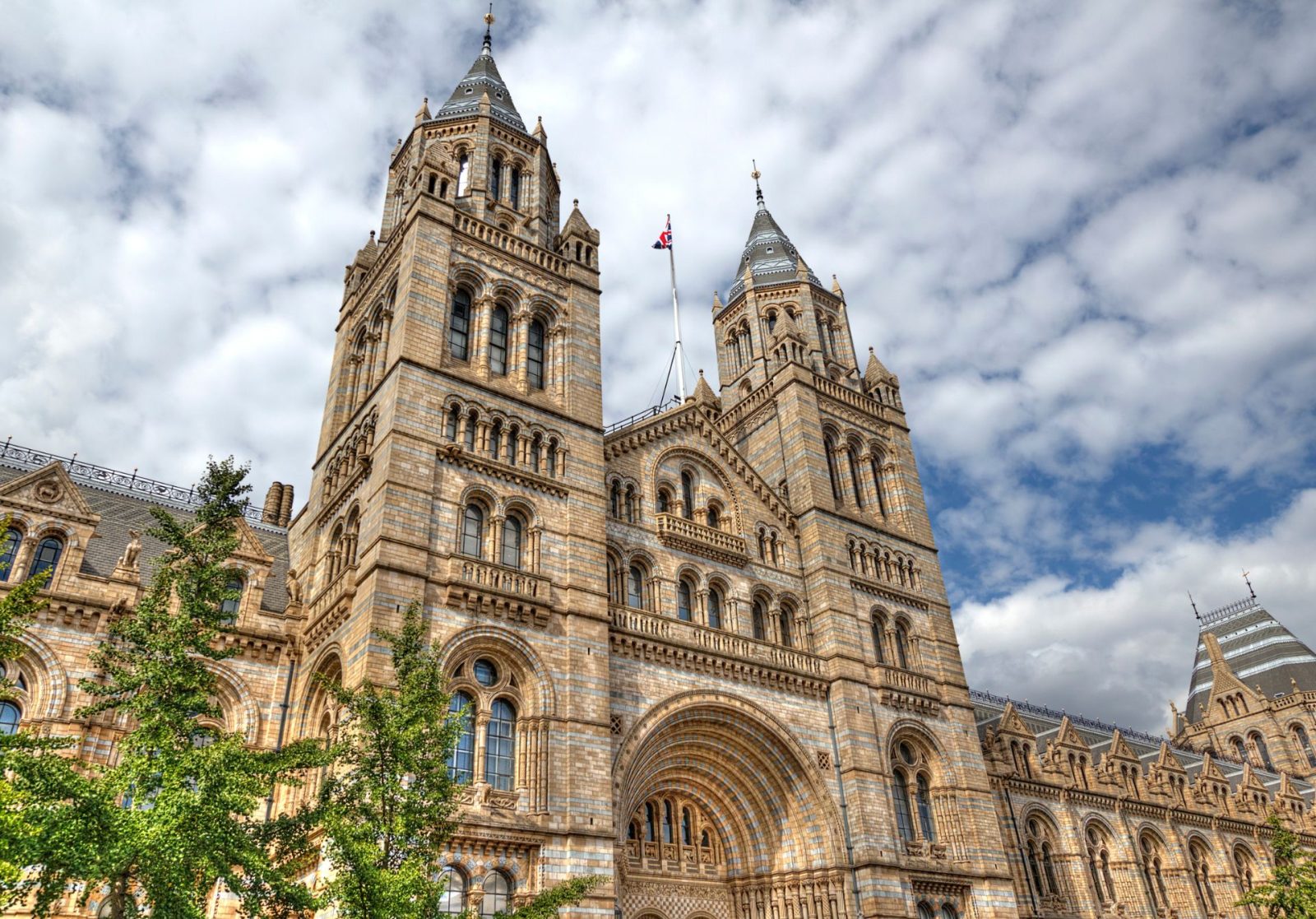
Before you even step inside, take a moment to appreciate the building. Designed by Alfred Waterhouse and opened in 1881, the museum’s Romanesque architecture is stunning. The terracotta facade features detailed sculptures of plants and animals, both extinct and living, giving you a preview of the treasures within. The building has become so iconic that it’s featured in countless films, from Paddington to the Marvel Cinematic Universe.
Meeting Hope: Your First Jaw-Dropping Moment
Walk through those grand doors, and you’ll immediately understand why visitors often gasp audibly. Suspended in Hintze Hall is Hope, a 25-meter-long blue whale skeleton that seems to swim through the air. Replaced the famous Dippy the Diplodocus in 2017, Hope serves as a powerful reminder of both the majesty of nature and our responsibility to protect it. The whale is positioned in a diving pose, and standing beneath it is genuinely humbling, you’ll feel very, very small.
Must-See Exhibitions and Galleries
With so much to explore, it’s easy to feel overwhelmed. Here’s what you absolutely shouldn’t miss:
- The Dinosaur Gallery: This is what many visitors come for, and it doesn’t disappoint. The animatronic T-Rex is terrifyingly realistic, complete with movements and roars that will make you jump. The gallery traces dinosaur evolution through the Mesozoic Era with actual fossils and incredibly detailed displays.
- The Earth Hall: Take the escalator through a massive globe sculpture to explore our planet’s geological history. The earthquake simulator is a particular highlight—experiencing the power of the 1995 Kobe earthquake in safety puts natural disasters into perspective.
- The Mammals Gallery: The blue whale model (the real thing this time, not just the skeleton) is displayed alongside hundreds of other mammals. The gallery showcases the incredible diversity of mammalian life, from the tiniest shrew to the largest creatures ever to exist.
- The Darwin Centre: This modern addition offers a behind-the-scenes look at scientific research. You can see the Cocoon, an eight-story building-within-a-building that houses 17 million insect specimens and three million plant samples. Scientists actually work here, and you might catch them in action.
Planning Your Visit Like a Pro
Here’s where my concierge experience comes in handy. The museum opens at 10 AM, and if you arrive right when the doors open, you’ll have about an hour of relatively peaceful exploration before the school groups and tour buses arrive. Weekday mornings are significantly quieter than weekends.
The museum is vast—you could easily spend an entire day here and not see everything. If you’re short on time, plan for at least three to four hours. Download the museum’s free app before you visit; it includes maps and suggested routes based on your interests and available time.
While entry is free, some special exhibitions require tickets. Book these online in advance, as they often sell out, especially during school holidays. The Wildlife Photographer of the Year exhibition, held annually, is particularly popular and worth the extra cost.
Practical Tips for Tourists
- Getting There: South Kensington tube station is your best bet, just a five-minute walk away. The museum is also close to the Victoria and Albert Museum and the Science Museum, so you could tackle all three in a South Kensington cultural marathon.
- Food and Facilities: There are several cafes inside, but they can be pricey and crowded. The surrounding area has plenty of restaurants and cafes if you want to pop out for lunch. The museum allows you to leave and re-enter on the same day.
- Accessibility: The museum is wheelchair accessible, with lifts to all floors. Wheelchairs and mobility scooters are available to borrow free of charge.
- Photography: You’re free to take photos for personal use throughout most of the museum, though flash photography isn’t allowed in some galleries.
Hidden Gems You Might Miss
Beyond the blockbuster attractions, look for the quieter galleries that many visitors rush past. The Minerals Gallery is unexpectedly beautiful, with gemstones displayed in atmospheric lighting that makes them glow. The Treasures Gallery houses some of the museum’s most historically significant specimens, including items collected by Charles Darwin himself during his voyage on the Beagle.
Don’t overlook the museum’s outdoor spaces either. The Wildlife Garden, open seasonally, recreates British lowland habitats and is a peaceful retreat from the busy galleries inside.
Beyond the Visit: Taking It Home
The museum shop is dangerous for your wallet but genuinely excellent. Unlike many museum shops that peddle generic souvenirs, this one stocks high-quality items, from beautiful nature books to scientifically accurate dinosaur models. If you’re shopping for children, you’ll find educational toys that are actually engaging rather than just plastic junk.
Why It Matters
What makes the Natural History Museum special isn’t just its collections, it’s the museum’s mission to create advocates for the planet. In an age of climate change and mass extinction, visiting feels more relevant than ever. The museum doesn’t shy away from difficult topics like species loss and environmental degradation, but it presents them in ways that inspire action rather than despair.
Recent visitor surveys show that over five million people visit annually, making it one of the most visited museums in the UK. Many report that their visit changed how they think about nature and their relationship with the planet. That’s a pretty significant impact for a free day out.
Final Thoughts: Make Time for Wonder
In a city packed with tourist attractions competing for your attention and money, the Natural History Museum stands out as something truly special. It’s free, it’s spectacular, and it offers something for everyone, whether you’re a dinosaur-obsessed kid, a geology nerd, an architecture enthusiast, or just someone who appreciates beauty and wonder.
The museum manages that rare feat of being both entertaining and meaningful. You’ll leave with great photos, certainly, but also with a renewed appreciation for the incredible diversity of life on Earth and perhaps a better understanding of our place within the natural world. In a world of screens and virtual experiences, there’s something irreplaceable about standing in front of a real blue whale skeleton or a genuine T-Rex fossil.
So when you’re planning your London itinerary, don’t just add the Natural History Museum to your list, make it a priority. Give it the time it deserves, arrive early, and prepare to be amazed. Some tourist attractions are overhyped; this isn’t one of them. It’s every bit as extraordinary as people say, and you’ll understand why within minutes of walking through those magnificent doors.