Let me tell you something that catches most visitors off guard: the “City of London” isn’t actually London. Well, it is and it isn’t. Confused? You’re not alone. This square mile of historical magnificence sits at the heart of Greater London, but it’s technically its own jurisdiction with its own government, its own police force, and about 2,000 years of stories to tell. For anyone planning a trip to London or working in concierge services, understanding the City, yes, with a capital C – is absolutely essential.
What Makes the City So Special?
The City of London, often called “the Square Mile,” covers just 1.12 square miles, making it one of the smallest cities in the world by area. But don’t let its size fool you. This ancient core of London has been the heart of British commerce since Roman times, when it was known as Londinium. Today, it’s one of the world’s leading financial centers, home to the Bank of England, the London Stock Exchange, and countless banks and financial institutions that quite literally move trillions of pounds through their systems daily.
Here’s what makes it truly fascinating: during the week, nearly 500,000 people commute into the City to work, but only about 9,000 people actually live there. Come Saturday and Sunday, the usually bustling streets transform into something almost eerily quiet—a ghost town in pinstripes. This dramatic shift creates unique opportunities for tourism and exploration.
Must-See Historical Treasures
The City is an absolute goldmine for history enthusiasts, and these landmarks should be on every visitor’s itinerary:
- St. Paul’s Cathedral – Sir Christopher Wren’s masterpiece dominates the skyline with its iconic dome. Climbing the 528 steps to the Golden Gallery rewards you with breathtaking panoramic views. The Whispering Gallery is a must-experience acoustic phenomenon where a whisper against the wall can be heard on the opposite side, 112 feet away.
- The Tower of London – Technically just outside the City’s boundaries but intrinsically linked to its history, this UNESCO World Heritage site has served as a royal palace, prison, and execution site. The Crown Jewels alone attract over 2 million visitors annually, and the Yeoman Warders (Beefeaters) provide tours that bring 1,000 years of history to vivid life.
- The Monument – Standing 202 feet tall, this column commemorates the Great Fire of London in 1666. It’s located exactly 202 feet from where the fire started in Pudding Lane. Climb the 311 spiral steps for another spectacular view and a certificate to prove your effort.
- Guildhall – The City’s ceremonial heart for over 800 years, where you can still see traces of the Roman amphitheater beneath the medieval Great Hall.
Hidden Gems Only Locals Know
For concierge professionals looking to impress discerning guests, these lesser-known spots offer authentic City experiences:
- Leadenhall Market – This stunning covered market, with its ornate Victorian roof and cobblestone walkways, was featured in Harry Potter films. It’s less crowded than Borough Market but equally charming, with excellent restaurants and traditional pubs tucked into its arcades.
- Sky Garden – London’s highest public garden offers free entry (advance booking required) with incredible 360-degree views from the 35th floor of the “Walkie Talkie” building. It’s particularly magical at sunset.
- St. Dunstan in the East – A bombed-out church from WWII that’s been transformed into a secret public garden. The Gothic ruins covered in climbing vines create an almost fairy-tale atmosphere right in the financial district.
- The historic pubs – Ye Olde Cheshire Cheese (dating to 1667), the Jamaica Wine House (built on London’s first coffeehouse site), and the Blackfriar (an Arts and Crafts marvel) offer authentic character and centuries of stories.
Navigating the City Like a Pro
The City’s medieval street layout can be wonderfully confusing. Streets wind and twist, sometimes changing names every few hundred feet. But this “organized chaos” is part of its charm. Bank station serves as the central hub, connecting six different Underground lines. For visitors, walking is often the best option—you’ll discover hidden alleyways, ancient churches, and architectural contrasts that define the City’s character.
Timing your visit matters enormously. Weekdays between 8-10 AM and 5-7 PM mean packed streets and Tube trains full of commuters. Lunchtimes (12-2 PM) see restaurants and cafes bustling with the business crowd. However, visit on weekends, and you’ll have famous sites almost to yourself—though many restaurants and shops close completely.
Where Ancient Meets Ultra-Modern
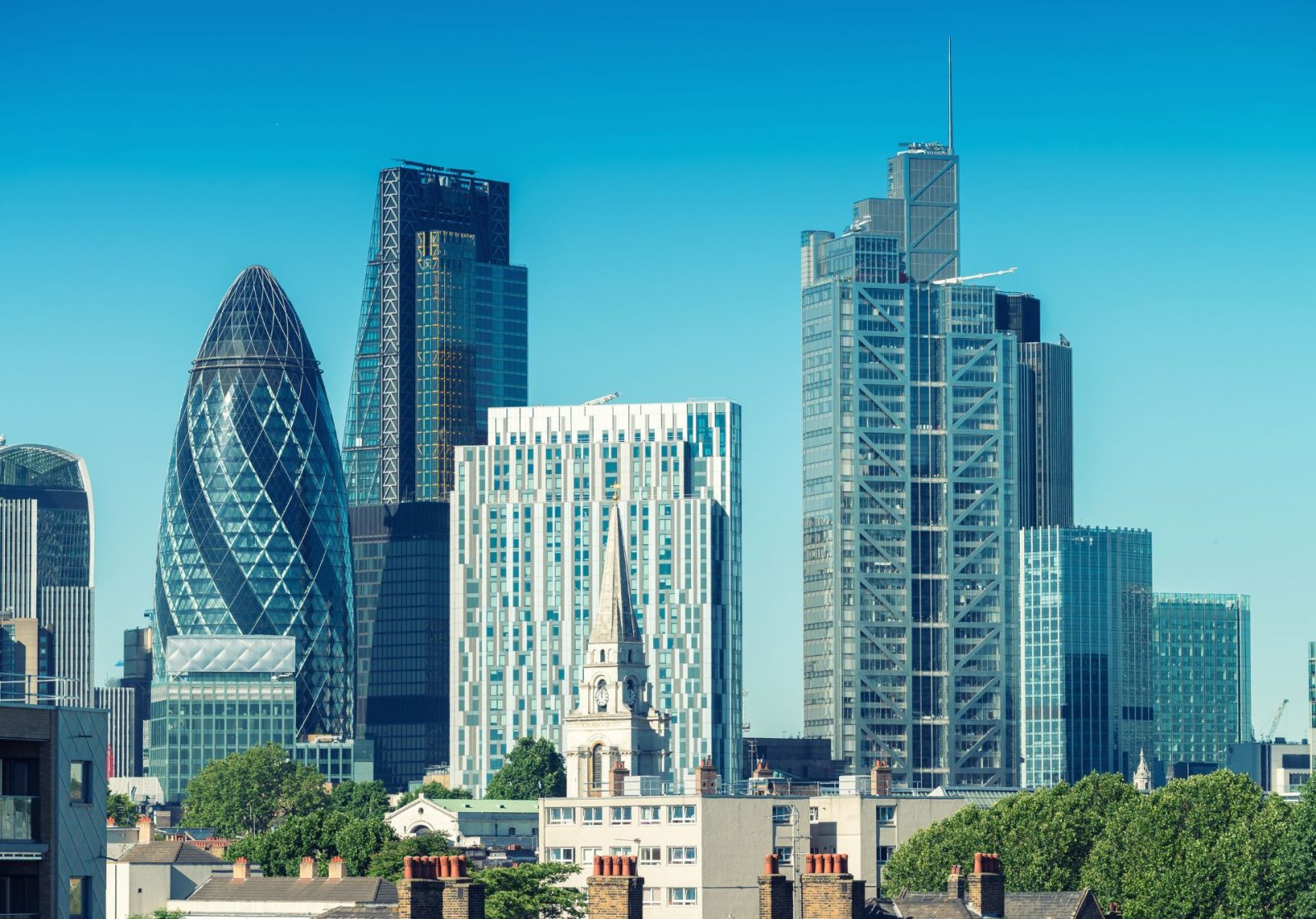
One of the City’s most striking features is its architectural diversity. You’ll find Roman walls standing beside Norman churches, Victorian warehouses converted into luxury apartments, and gleaming glass skyscrapers nicknamed the “Gherkin,” “Cheesegrater,” and “Walkie Talkie.” The juxtaposition isn’t jarring—it’s thrilling. A 2,000-year-old Roman wall runs through the courtyard of a modern hotel. Medieval churches host contemporary art installations. This layering of history creates endless photo opportunities and conversation starters.
The newer additions to the skyline, like 22 Bishopsgate (the tallest building in the City at 912 feet), incorporate public viewing galleries and restaurants that make the modern architecture accessible to visitors, not just office workers.
Practical Tips for Concierge Professionals
When advising guests about the City, keep these insider tips in mind:
- Many City churches offer free lunchtime concerts—perfect for culture lovers on a budget
- The City of London Information Centre near St. Paul’s provides free walking tour maps and can answer specific questions
- Several museums, including the Bank of England Museum, offer free admission
- Book restaurants well in advance on weekdays; they cater to the business crowd and fill quickly
- The City’s official app provides historical audio guides as you walk specific routes
- Weekend visits mean quieter streets but limited dining options—plan accordingly
The City After Dark
While the City empties out in the evenings, that doesn’t mean there’s nothing to do. The illuminated buildings create a spectacular nighttime landscape, and some of the best sunset views in London come from the City’s elevated positions. Several rooftop bars—including those at the Ned and Aviary—offer sophisticated evening venues. The area around Smithfield Market transforms into a nightlife hub, with trendy bars and restaurants that stay lively well past midnight.
Final Thoughts: Why the City Matters
The City of London represents something unique in the tourism landscape—a place where you can literally walk through 2,000 years of history in a single afternoon. From Roman foundations to Norman crypts, from medieval guildhalls to postmodern skyscrapers, it’s all packed into that famous square mile. For visitors interested in finance, history, architecture, or simply experiencing authentic London away from the typical tourist circuits, the City offers unmatched depth and variety.
Whether you’re a concierge crafting the perfect itinerary or a traveler seeking something beyond the usual London highlights, the City rewards those who take the time to explore its layers. It’s not just the financial heart of London—it’s the historical soul of the entire metropolis, constantly reinventing itself while honoring its extraordinary past. Every narrow alley, every ancient church, and every modern tower has a story worth discovering. The City doesn’t just preserve history; it lives it, every single day.