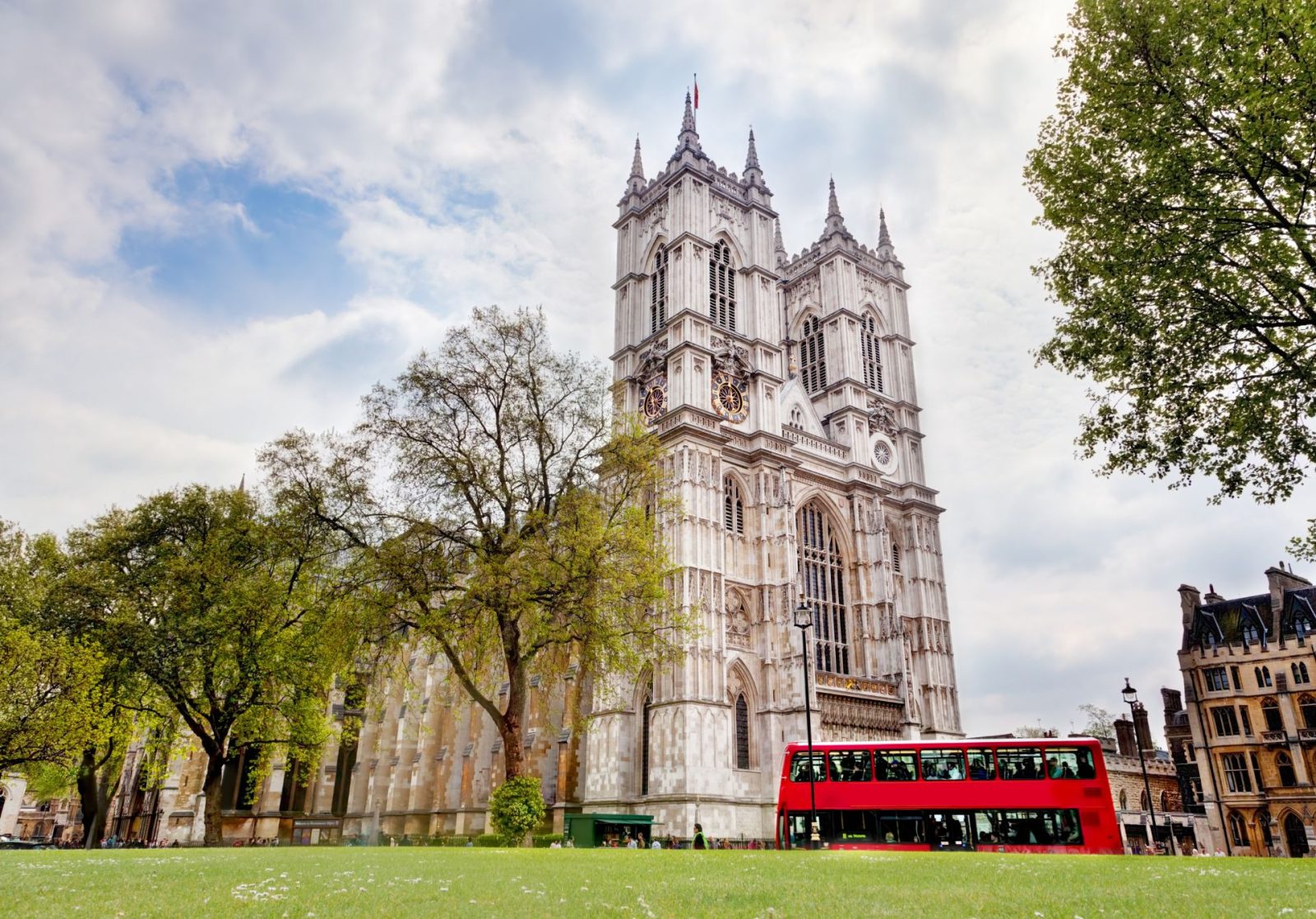
Let’s be honest, when you’re planning a trip to London, Westminster Abbey probably sits somewhere on your must-see list between Big Ben and Buckingham Palace. But here’s the thing: this isn’t just another pretty Gothic building to tick off your itinerary. Westminster Abbey is where over a thousand years of British history comes alive, where kings and queens have been crowned since 1066, and where you can literally walk over the graves of some of history’s most fascinating figures.
If you’re working in tourism or concierge services, understanding what makes the Abbey special will help you guide your guests toward an experience they’ll actually remember—not just another blur of ancient stones and gift shops.
Why Westminster Abbey Deserves More Than a Quick Photo Stop
Sure, the Instagram shot of the Abbey’s magnificent Western Towers is great, but rushing through in 30 minutes means missing the real story. This UNESCO World Heritage Site has hosted every coronation since William the Conqueror in 1066 (except for Edward V and Edward VIII, who were never crowned). That’s nearly a millennium of unbroken royal tradition happening in one building.
The Abbey isn’t just about royalty though. It’s also the final resting place for over 3,300 people, including 17 monarchs. Walking through Poets’ Corner means stepping past the graves and memorials of literary giants like Charles Dickens, Geoffrey Chaucer, and Thomas Hardy. Scientists like Isaac Newton and Charles Darwin are buried here too. Where else can you pay respects to both Shakespeare and Stephen Hawking in the same visit?
What Your Guests Actually Need to Know
Here’s where your expertise as a tourism professional becomes invaluable. Let’s break down the practical stuff that turns a good visit into a great one:
Timing Is Everything
The Abbey welcomes over one million visitors annually, which means crowds are inevitable. But here’s your insider advantage: weekday mornings, especially Tuesday through Thursday, tend to be quieter. The Abbey opens at 9:30 AM on Monday through Friday, and those first two hours are golden. If your guests arrive right at opening, they’ll have space to actually absorb the atmosphere instead of shuffling along in a sea of tour groups.
Pro tip: The Abbey is closed to tourists on Sundays because it’s primarily a working church. However, attending a service is free, and it’s honestly one of the most atmospheric ways to experience the space. Evensong services (typically at 5 PM on weekdays and 3 PM on weekends) feature the Abbey’s renowned choir and are open to all.
The Must-See Highlights
- The Coronation Chair: Built in 1296, this is where monarchs have been crowned for over 700 years. King Charles III sat here for his coronation in May 2023, continuing a tradition that connects the present directly to the medieval past.
- Poets’ Corner: Beyond the big names, look for the memorial to Lord Byron, he was considered too scandalous to actually be buried here, but eventually got his memorial in 1969, 145 years after his death.
- The Lady Chapel: Henry VII’s chapel features the most spectacular fan-vaulted ceiling you’ll ever see. The craftsmanship is so intricate that it seems to defy gravity.
- The Tomb of the Unknown Warrior: The only grave in the Abbey that you’re not allowed to walk on. It holds an unidentified British soldier from World War I, representing all those who never made it home.
Practical Tips for Concierge Professionals
Your job is making things seamless, so here’s what actually helps:
- Book tickets in advance: The Abbey operates on a timed-entry system, and same-day tickets can sell out, especially during peak season (April through October). Advanced booking also saves about £2 per ticket.
- Audio guides are included: And they’re genuinely good. Narrated by Jeremy Irons, they provide context that transforms the visit from looking at old stones to understanding stories.
- Photography is prohibited inside: Let your guests know beforehand. Nothing dampens the mood like getting reprimanded for Instagram shots.
- Accessibility matters: The Abbey provides wheelchairs and has step-free access to most areas, though the medieval layout means some upper galleries aren’t accessible. Contact the visits team in advance for specific accessibility needs.
- Budget 90 minutes minimum: Anything less feels rushed. Two hours is ideal for guests who actually want to read the memorials and absorb the atmosphere.
Combining the Abbey with Nearby Attractions
Westminster Abbey sits in the heart of London’s most historic square mile, making it easy to craft a full day’s itinerary. The Houses of Parliament and Big Ben are literally next door, a two-minute walk. Churchill War Rooms, where Winston Churchill directed Britain’s World War II efforts from underground bunkers, is a five-minute walk away and provides fascinating historical context.
For a more relaxed pace, St. James’s Park is just across the road and offers beautiful gardens, pelicans (yes, really), and excellent views back toward the Abbey. Many guests appreciate having green space to decompress after the sensory intensity of the Abbey itself.
Beyond the Tourist Experience: Special Access
Here’s where you can really add value: Westminster Abbey offers special experiences that most tourists never know about. The Triforium, the medieval gallery space high above the Abbey floor, opened as The Queen’s Diamond Jubilee Galleries in 2018. This lesser-known museum houses treasures including coronation robes, medieval manuscripts, and funeral effigies. The views down into the Abbey from this vantage point are spectacular, and it’s rarely crowded.
Private tours can be arranged for groups, offering after-hours access when the crowds have gone home. For high-end clients or special occasions, this transforms the experience entirely. Imagine having Poets’ Corner to yourself at sunset.
The Bottom Line: Making Westminster Abbey Memorable
Westminster Abbey isn’t just a building, it’s a living chronicle of British history, art, science, and literature all rolled into one extraordinary space. The difference between guests who found it “nice” and those who found it unforgettable usually comes down to preparation and timing.
As tourism professionals, your role is helping people understand why this matters before they walk through the door. Share a story or two. Mention that they’ll be standing where Kate Middleton became the Duchess of Cambridge, or where Elizabeth I is buried alongside her half-sister Mary I (with whom she had a rather complicated relationship, to put it mildly).
When guests understand that they’re not just looking at a historic building but stepping into a space where the grand sweep of history has continuously unfolded for over a millennium, their entire experience shifts. They slow down, look closer, and actually remember what they’ve seen.
That’s the difference between a checkbox on an itinerary and a genuine travel memory, and that’s exactly what your guests are paying you to deliver.